Ecumenism and the priesthood: reconciling Lutheran, Presbyterian, and Catholic understandings of ecclesial ministry
by Edward McGarvey
Martin Luther’s doctrine of the priesthood of all believers is grounded in Scripture, particularly 1 Peter 2.9 and Revelation 1.6, where the Church is described as a ‘royal priesthood.’ In his 1520 treatise To the Christian Nobility of the German Nation, Luther argues that baptism consecrates every Christian as a priest, granting direct access to God and the responsibility to proclaim the Gospel. For Luther, ‘priesthood’ refers to spiritual dignity, access to God, and participation in Christ’s mission. It is not a sacramental category and does not imply ontological change or sacramental mediation. Ministry, for Luther, is necessary for good order, but it arises from the community’s call rather than from sacramental ordination. Pastors preside over Word and sacrament because the Church entrusts them with this task, not because they possess a distinct priestly character.
Presbyterian theology shares Luther’s foundational affirmation of the universal priesthood of believers, but it develops a distinct ecclesial structure rooted in Reformed theology. The Westminster Confession teaches that Christ alone is the mediator and priest of the New Covenant, and that all believers share in His priestly office through spiritual sacrifice, prayer, and witness. Presbyterianism therefore rejects any notion of a sacramental priesthood. Ministry is ordered, but not ontological: ministers (teaching elders) and ruling elders exercise distinct functions within a single presbyterial order. The Presbyterian system emphasises collegial governance, where authority is exercised corporately through sessions, presbyteries, and general assemblies. This structure is intentionally anti‑hierarchical, reflecting the Reformed conviction that no minister possesses a unique priestly power. The ‘one priesthood’ of believers is thus expressed through ordered ministry without sacramental differentiation.
Login or subscribe below to continue reading this article
 Following a career as an engineer, Edward McGarvey obtained degrees in Philosophy, Catholic theology, and Canon Law from Maryvale, Nottingham University and the Angelicum in Rome. A life-long Catholic, Eddie is currently engaged in advanced Catholic theological research at the University of Glasgow, with a focus on ecclesiology, priesthood and doctrinal development.
____________________
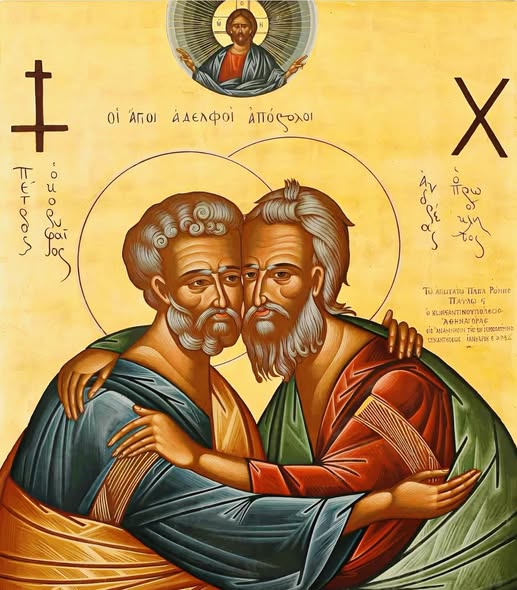
Image: Peter and Andrew: The icon of the brother apostles Peter and Andrew embracing was given to Pope Paul VI by Patriarch Athenagoras when they met in the Holy Land in 1964. The icon is on display in the offices of the Dicastery for Promoting Christian Unity in the Vatican and used in their header logo.
Image courtesy of Ronnie R, Flickr(opens in new tab)